
What Is a Variable-Speed Blower and Why Does It Matter?
Learn how a variable-speed blower motor improves comfort, efficiency, and air quality in Lexington, KY homes compared to single-speed HVAC systems.
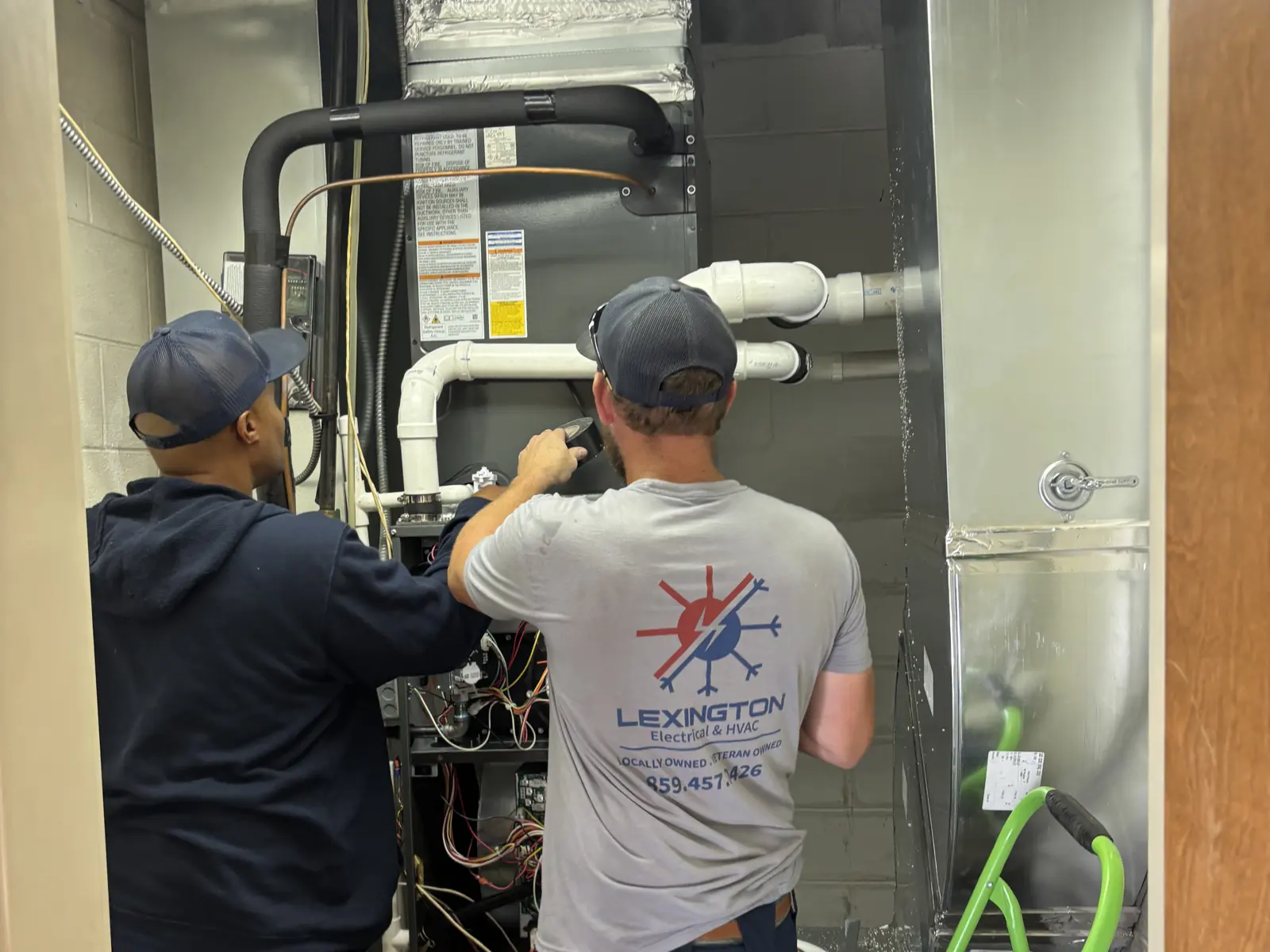
A variable-speed blower is a fan motor inside your furnace or air handler that automatically adjusts its speed to match your home's heating and cooling demand. Unlike single-speed motors that only run at full blast or not at all, variable-speed motors ramp up and down gradually. The result is more even temperatures, lower energy bills, and quieter operation in Lexington homes.
If you are considering a new AC installation or furnace replacement, the blower motor type is one of the most important decisions you will make.
How a variable-speed blower works
Traditional single-speed blowers use a permanent split capacitor (PSC) motor. It has one setting: full power. When your thermostat calls for heating or cooling, the motor kicks on at 100%, blasts conditioned air through the ducts, and shuts off when the set temperature is reached.
A variable-speed blower uses an electronically commutated motor (ECM) that can operate anywhere from about 25% to 100% capacity. The control board adjusts speed in real time based on static pressure in the duct system and the thermostat's demand signal. Most of the time it runs at a lower, steadier speed.
Better comfort throughout your Lexington home
Lexington homes with single-speed blowers often have temperature swings of 3 to 5 degrees between cycles. The system blasts cold air, overshoots the set temperature, shuts off, and the house slowly warms back up before the next cycle. This is especially noticeable in two-story homes in Fayette County where upstairs bedrooms run warmer than the main floor.
A variable-speed motor runs at a lower speed for longer periods, keeping air moving continuously. Temperature differences room to room shrink significantly. Homeowners consistently tell us their home feels more comfortable after upgrading, even before we address any ductwork issues.
Lower energy bills in Central Kentucky
Running a blower motor at reduced speed uses a fraction of the electricity it draws at full speed. That relationship between motor speed and energy consumption is not linear, which is why variable-speed blowers deliver outsized savings.
Pair the efficiency gains with a Cool & Cozy Club maintenance membership and you keep the system performing at peak efficiency year after year.
Quieter operation
Single-speed blowers produce a noticeable rush of air every time they cycle on. That sudden noise is one of the most common HVAC complaints from Lexington homeowners, especially when the air handler is located near bedrooms or living areas. Variable-speed motors ramp up gradually, and because they spend most of their time at lower speeds, the overall noise level drops significantly.
Improved humidity control for Kentucky summers
Central Kentucky humidity regularly exceeds 70% in July and August. Your air conditioner removes moisture as air passes over the cold evaporator coil, but a single-speed blower pushes air across that coil too quickly for maximum dehumidification. A variable-speed blower moves air more slowly and steadily, giving the coil more contact time. The result is noticeably drier indoor air without adding a standalone dehumidifier.
Better air filtration
Because a variable-speed motor runs more hours per day at lower speeds, air passes through your filter more often. That means more dust, pollen, and allergens get captured. For Lexington-area homeowners dealing with seasonal allergies from Central Kentucky's long pollen season, this continuous filtration makes a real difference in indoor air quality.
Longer equipment life
Hard starts and stops are tough on HVAC components. Every time a single-speed motor kicks on at full power, it creates mechanical stress on bearings, belts, and electrical contacts. Variable-speed motors start softly and avoid the constant on-off cycling that wears out equipment. This translates to fewer repairs and a longer overall system lifespan.
When to choose a variable-speed system
A variable-speed blower is worth considering any time you are replacing your furnace, air handler, or complete HVAC system. The scenarios where it delivers the most value include:
- Two-story Lexington homes with uneven temperatures between floors
- Homes where the air handler is near bedrooms and noise is a concern
- Households with allergy or asthma sufferers who need better air filtration
- Older homes with smaller or less efficient duct systems
- Any home where summer humidity is a persistent comfort problem
What about two-stage vs. variable-speed?
Two-stage systems are a step up from single-speed. They offer a low and a high setting. Variable-speed goes further with hundreds of incremental speed adjustments. Two-stage is a solid mid-range option, but if your budget allows, variable-speed delivers noticeably better comfort and efficiency. We walk through the options during every in-home estimate so you can compare costs and benefits side by side.
Financing your HVAC upgrade
Upgrading to a variable-speed system does not have to happen all at once. We offer flexible financing options that let Lexington homeowners spread the cost into manageable monthly payments. Every estimate includes a financing breakdown so you can compare options before committing.
Schedule your HVAC consultation
Whether you are replacing an aging furnace or planning a complete HVAC upgrade, the blower motor type affects your daily comfort more than almost any other component. Our licensed technicians serve Lexington, Nicholasville, Georgetown, Winchester, and all of Central Kentucky.
Request a free estimate or call us at 859-457-0426 to discuss which system is right for your home.
Frequently Asked Questions
- Is a variable-speed blower worth the extra cost?
- Most Lexington homeowners recover that difference within two to three years through lower electric bills and reduced wear on other HVAC components.
- How long does a variable-speed blower motor last?
- Variable-speed ECM motors typically last 15 to 20 years with regular maintenance. That is significantly longer than single-speed PSC motors, which often need replacement after 8 to 12 years.
- Can you add a variable-speed blower to an existing furnace?
- In most cases, adding a variable-speed motor requires replacing the entire air handler or furnace because the control board must be compatible. A licensed HVAC technician in Lexington can evaluate whether a retrofit or full replacement makes more sense for your system.
- Does a variable-speed blower help with humidity in Kentucky?
- Yes. Because a variable-speed blower runs longer at lower speeds, air passes over the evaporator coil more slowly, removing more moisture. This makes a noticeable difference during Central Kentucky's humid summers.
Get a free HVAC estimate in Lexington
Licensed, veteran-owned technicians serving Lexington and Central Kentucky — free estimates, no pressure.
Learn moreHave questions about your home?
Talk to a licensed Lexington technician — no pressure, just answers.

