
Spring Home Maintenance Checklist for Lexington Homeowners
A practical spring maintenance checklist for Lexington, KY homeowners covering HVAC, electrical, generators, and home systems, so your home is ready before summer heat arrives.
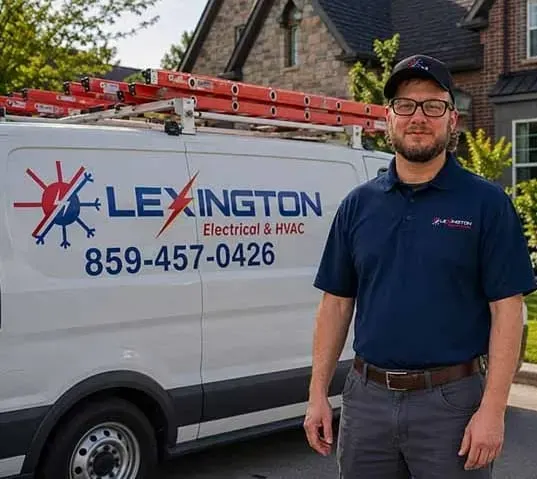
Spring in Lexington arrives fast, and by May the humidity and heat are already testing your home systems. A focused maintenance checklist in March and April lets you address problems on your schedule rather than reacting to failures mid-summer. This guide covers the HVAC, electrical, generator, and general home items Lexington homeowners should work through every spring. For the HVAC and generator portions, our team handles professional maintenance across Fayette, Scott, Jessamine, Clark, and Madison counties.
1. Schedule Your AC Tune-Up Before April Ends
Your central air conditioner sat dormant through winter. Before you need it daily, a professional tune-up catches refrigerant issues, dirty coils, worn capacitors, and electrical faults that developed over the off-season. Technicians check airflow, clean the condenser, test the thermostat calibration, and verify refrigerant levels. A system that runs clean and charged in spring will cost less to operate all summer.
Members of the Cool and Cozy Club already have a spring AC check built into their membership. If you are not a member, this is a good time to join and lock in fall heating service at the same time.
2. Replace Your HVAC Filter
A clogged filter at the start of cooling season forces your AC to work harder, reduces airflow, and can cause the evaporator coil to freeze. Check your filter in March regardless of when you last changed it. Most 1-inch filters need replacement every 1-3 months in occupied homes. Homes with pets or allergy concerns should lean toward the shorter end of that range.
While you are at it, check that supply and return vents are open and unobstructed by furniture. Closed vents create pressure imbalances that stress the blower and reduce system life.
3. Clear Debris From Your Outdoor Condenser Unit
Kentucky winters deposit leaves, mulch, and dead plant material around and inside condenser coils. Turn off power to the unit at the disconnect box and gently rinse the fins with a garden hose from the inside out. Trim any shrubs or vegetation to maintain at least 18 inches of clearance on all sides. Do not use a pressure washer on condenser fins, as the aluminum bends easily.
If you notice bent fins, oil stains on the pad, or rust on the cabinet, have a technician inspect the unit before you run it for the season. Early identification of a failing component is cheaper than a mid-summer breakdown. Schedule an AC inspection if anything looks unusual.
4. Test All GFCI Outlets and Electrical Safety Devices
GFCI outlets protect kitchens, bathrooms, garages, and outdoor areas from shock. Press the TEST button on each one to confirm it trips and resets properly. If a GFCI outlet will not reset or trips immediately, replace it. These devices do wear out and a failed GFCI provides no protection.
Also test your smoke detectors and carbon monoxide detectors. Replace batteries in any that use them, and replace the whole unit if the device is more than 10 years old. CO detectors are especially important in homes with gas appliances, as Kentucky winters put those systems through heavy use.
5. Inspect Outdoor Electrical Outlets and Lighting
Winter weather is hard on outdoor electrical fixtures. Check outlet covers for cracks or missing gaskets that let moisture in. Look for corrosion on outdoor outlet faces and test each one. Inspect landscape lighting wiring for damage from frost heave, digging animals, or lawn equipment. Broken underground wire is a fire and shock risk.
If you are thinking about adding outdoor lighting or upgrading your existing fixtures, spring is the right time before the ground gets dry and hard. Our electricians handle outdoor lighting installation across Lexington and Central Kentucky.
6. Check Your Electrical Panel
Open your panel and look for breakers that are tripped to the middle position, any visible signs of heat discoloration, burnt smell, or rust. Reset any tripped breakers once and monitor them. A breaker that trips repeatedly under normal load is signaling a problem in the circuit or the breaker itself.
If your panel is more than 25 years old, uses Federal Pacific or Zinsco equipment, or feels warm to the touch, have a licensed electrician evaluate it. Kentucky summers put sustained load on panels from AC units, and that is when overloaded panels fail. An electrical panel upgrade before summer is a sound investment in safety.
7. Run Your Standby Generator Under Load
If you have a whole-home standby generator, spring is the time to run it properly and confirm it is ready for storm season. Automatic weekly self-tests run the engine briefly, but they do not fully exercise the generator. Manually transfer to generator power and run your home on it for 30-60 minutes to verify voltage, transfer switch operation, and that the unit can sustain real load.
Check the oil level, air filter, and battery charge. If the unit is due for an annual service, schedule it before June. Lexington's spring storm season can produce outages with little warning, and a generator that fails to start defeats the purpose. Our team handles generator installation and service for Generac and Honeywell units throughout the area.
8. Inspect Attic Ventilation and Insulation
A well-ventilated attic keeps your AC from fighting excessive heat buildup. In spring, check that attic vents are clear of wasp nests, bird nests, and debris from winter. Blocked soffit or ridge vents push attic temperatures up, which raises ceiling temperatures and forces your AC to run longer.
If you noticed uneven heating last winter or high energy bills, check insulation depth while you are up there. Kentucky homes with less than R-38 in the attic are losing significant energy. Addressing insulation before summer keeps both heating and cooling costs in check.
9. Clear Gutters and Check Exterior Water Management
Clogged gutters send water over the fascia and toward your foundation. Standing water near your home creates moisture problems in crawlspaces and basements that affect HVAC equipment stored there. Clear gutters of winter debris and confirm downspouts direct water at least four feet from the foundation.
While checking the exterior, look at any penetrations where electrical conduit or gas lines enter the house. Caulk gaps where water could enter. Moisture intrusion around electrical penetrations invites corrosion and is a code issue in most Kentucky jurisdictions.
10. Plan Bigger Projects for Spring and Early Summer
Spring is the best window to plan larger home improvements before summer schedules fill up. If you have been considering a generator installation, panel upgrade, mini-split addition, or new AC system, booking a consultation in April or May typically means faster scheduling than waiting until July.
We serve Lexington, Nicholasville, Georgetown, Winchester, Richmond, and the surrounding Central Kentucky communities. Contact us to get on the schedule, or explore financing options if you are planning a larger project this year.
Frequently Asked Questions
- When should I schedule spring HVAC maintenance in Lexington?
- Schedule your AC tune-up in March or April before Lexington's humid summer sets in. Spring slots fill fast, so calling early gets you on the calendar before May heat waves make waits longer.
- What electrical items should I check in spring?
- Test all GFCI outlets in kitchens, bathrooms, and garages. Check outdoor outlets and lighting for winter damage. Inspect your electrical panel for any tripped breakers or signs of heat discoloration. If anything looks off, call a licensed electrician.
- Should I test my standby generator in spring?
- Yes. Run your generator under load for at least 30 minutes in spring to verify it starts properly before storm season. Check the battery, oil level, and coolant. If your generator has not had a professional service in the past year, schedule one before summer.
- Does the Cool and Cozy Club cover spring HVAC maintenance?
- Yes. Club members receive a spring AC tune-up and a fall heating check each year, along with priority service and discounts. It is the most cost-effective way for Lexington homeowners to keep both heating and cooling systems maintained.
Join the Cool & Cozy Club for year-round maintenance peace of mind
Licensed, veteran-owned technicians serving Lexington and Central Kentucky — free estimates, no pressure.
Learn moreHave questions about your home?
Talk to a licensed Lexington technician — no pressure, just answers.