
Do You Need Surge Protection for Your Whole Home?
Learn why whole-home surge protection matters for Lexington homeowners, how it works, what it costs, and why power strip surge protectors are not enough for Kentucky storm season.
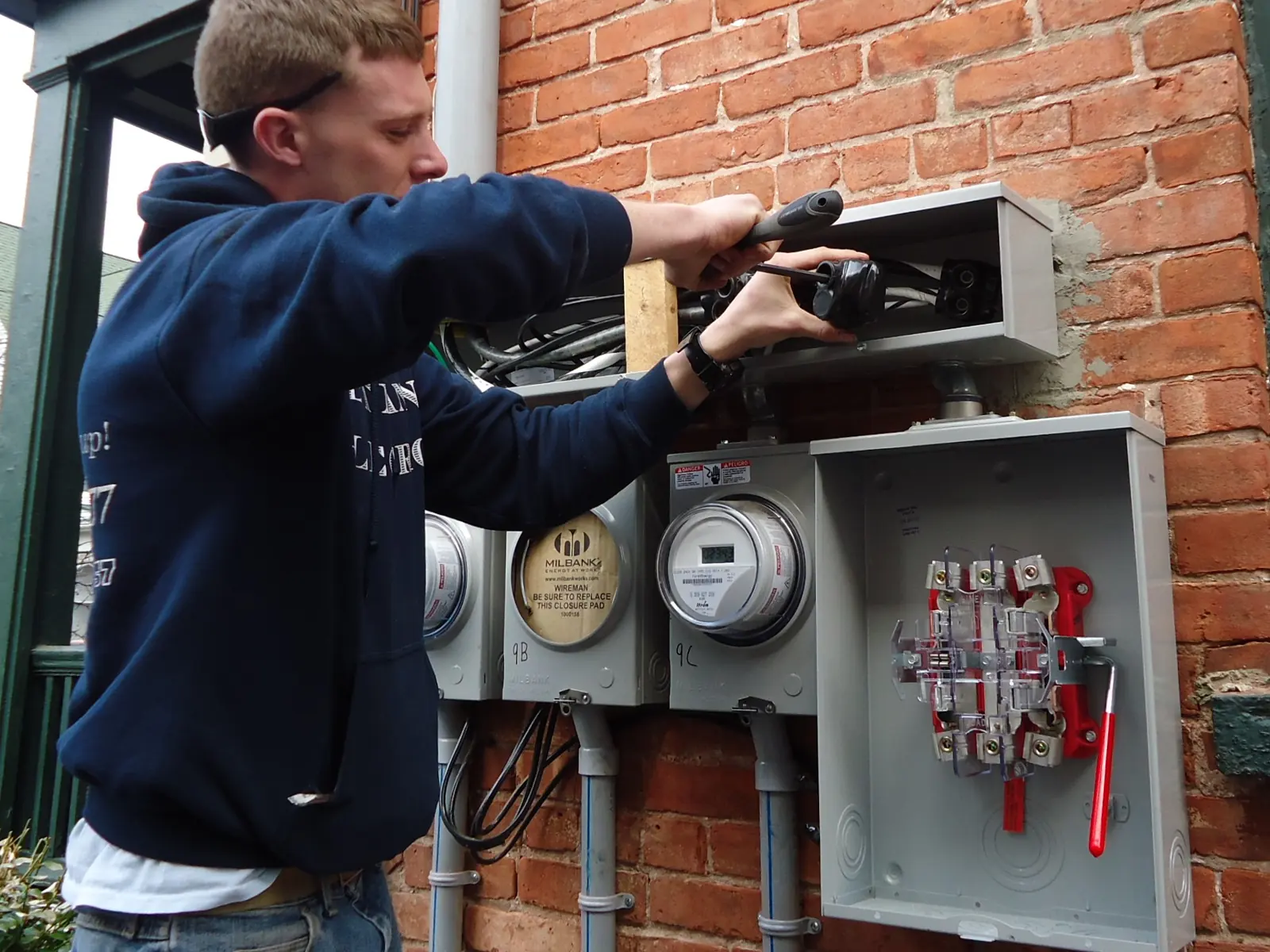
Yes, most Lexington homes benefit from whole-home surge protection. Power surges from lightning strikes, utility grid switching, and even your own HVAC compressor cycling can damage electronics, appliances, and HVAC control boards. A whole-home surge protector installed at your electrical panel stops these surges before they reach any circuit in the house.
If your home does not have one yet, our licensed electricians can install a surge protector during a panel upgrade or as a standalone project.
What causes power surges in Lexington?
Most people think of lightning when they hear "power surge," but lightning is actually one of the less common causes. The majority of surges come from inside the home or from the utility grid.
- HVAC compressors and large motors cycling on and off create small surges dozens of times per day
- Utility grid switching during load balancing or after outage restoration sends voltage spikes through the lines
- Lightning strikes near power lines or transformers in Fayette County during spring and summer storms
- Tree limbs contacting power lines during wind events common in Central Kentucky
- Construction or accidents that temporarily disrupt power delivery in your neighborhood
How whole-home surge protection works
A whole-home surge protector mounts at your main electrical panel. It monitors the incoming voltage on every circuit. When the voltage spikes above a safe threshold, the device diverts the excess energy to the ground wire in microseconds. The result is that clean, stable power reaches your appliances and electronics.
These devices use metal oxide varistors (MOVs) that absorb energy. Over time and after multiple surge events, the MOVs wear out. Quality units include an indicator light so you know when the module needs replacement.
Why power strips are not enough
Plug-in surge protectors have a limited joule rating that degrades with every surge they absorb. Once the protection is gone, the strip still passes power but offers zero protection. There is no alarm, no indicator, and no way to know it failed. Worse, power strips do nothing for hardwired loads like your HVAC system, water heater, oven, or garage door opener.
A layered approach works best: whole-home protection at the panel handles the big surges, and point-of-use protectors at sensitive electronics like computers and home theater equipment handle residual spikes.
What a surge can destroy in your home
The most expensive surge damage we see in Lexington homes involves HVAC systems. A single surge can fry a furnace control board, an AC compressor capacitor, or a heat pump inverter board. Replacing those components costs hundreds to thousands of dollars.
- Refrigerators, washers, and dryers with electronic controls
- Computers, routers, and home networking equipment
- Smart home devices, security cameras, and garage door openers
- Whole-home generators and their automatic transfer switches
Installation: what to expect
A licensed electrician installs the surge protector directly at your main breaker panel. The job typically takes one to two hours. No drywall cutting, no rewiring. The device connects to a dedicated two-pole breaker and the panel's ground bus.
If your panel is full or outdated, we may recommend combining surge protection with an electrical panel upgrade. Many Lexington homeowners bundle these projects to save on labor and permit costs.
Cost of whole-home surge protection in Lexington
A whole-home surge protector is a small project compared to most electrical work. The cost covers the device, a dedicated breaker, and labor at your panel. Compare that to replacing an HVAC control board or a refrigerator damaged by a surge.
Request a free estimate or review our financing options.
Surge protection and generators
If you have a whole-home generator, surge protection is especially important. When utility power is restored after an outage, the transfer switch shifts load back to the grid. That transition can produce a voltage spike. A panel-mounted surge protector catches it before it reaches your equipment.
Planning a generator installation? We install surge protection as part of the project so everything is protected from day one.
When to replace your surge protector
Check the indicator light on your panel-mounted unit at least once a year. If the light shows the protection is depleted, schedule a replacement. After a direct lightning strike or a major grid event, have your electrician inspect the unit even if the light still shows green.
Most units last 5 to 10 years under normal conditions. Homes in areas with frequent storms or unstable power may need replacement sooner.
Protect your Lexington home today
Whole-home surge protection is one of the most affordable electrical upgrades you can make, and it protects every device and appliance in your house. With Kentucky storm season bringing lightning and wind every spring and summer, there is no reason to leave your home unprotected.
Schedule a surge protection installation with our licensed Lexington electricians. We also offer financing options if you are bundling with a panel upgrade or other electrical work.
Frequently Asked Questions
- How much does whole-home surge protection cost in Lexington, KY?
- That is a fraction of the cost of replacing a furnace control board, refrigerator, or HVAC system damaged by a power surge.
- Do power strip surge protectors protect my whole house?
- No. Power strip surge protectors only protect the devices plugged directly into them, and they degrade over time without any visible warning. A whole-home surge protector at the electrical panel stops surges before they reach any circuit in the house.
- How long does a whole-home surge protector last?
- Most whole-home surge protectors last 5 to 10 years depending on how many surges they absorb. Units with indicator lights let you know when the protection module needs replacement. Your electrician can check it during a routine inspection.
- Does a whole-home surge protector protect my HVAC system?
- Yes. A panel-mounted surge protector guards every hardwired circuit in your home, including your HVAC system, water heater, and appliances. HVAC control boards are one of the most common casualties of power surges in Central Kentucky.
Get a free surge protection estimate in Lexington
Licensed, veteran-owned technicians serving Lexington and Central Kentucky — free estimates, no pressure.
Learn moreHave questions about your home?
Talk to a licensed Lexington technician — no pressure, just answers.
