
Do UV Air Purifiers Actually Work in HVAC Systems?
How UV air purifiers work inside HVAC systems, what they can and cannot do, and whether Lexington homeowners should add one for better indoor air quality.
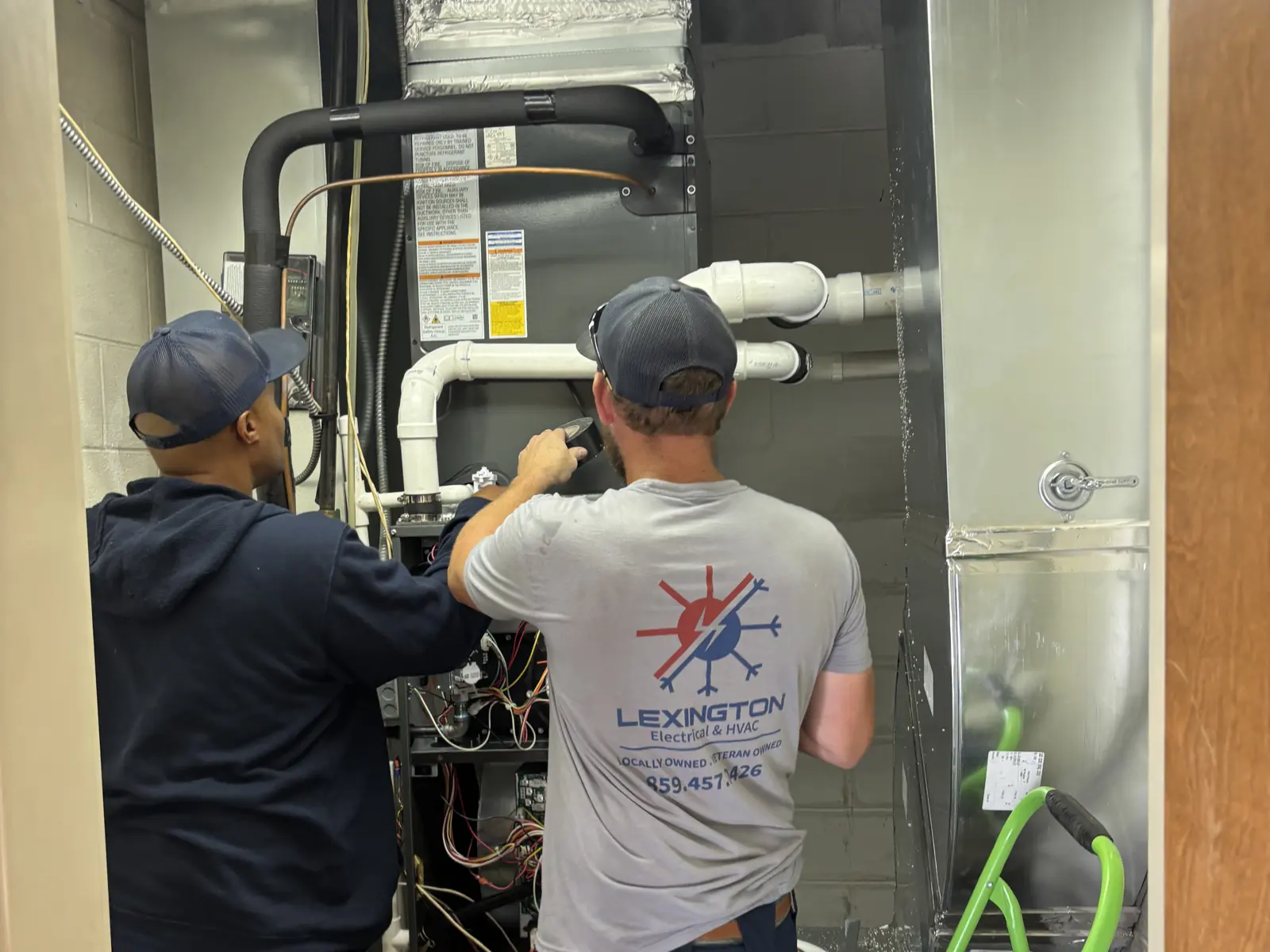
Yes, UV air purifiers installed inside your HVAC system do work, but with important limitations. UV-C germicidal lights are effective at killing mold and bacteria on your evaporator coil and reducing biological growth inside your ductwork. They are not a standalone air filtration solution and work best as one layer of a broader indoor air quality strategy that includes proper filtration and ventilation.
How UV-C light works inside your HVAC system
UV-C light operates at a wavelength around 254 nanometers. At this frequency, it damages the DNA of microorganisms like mold spores, bacteria, and some viruses, preventing them from reproducing. Inside your HVAC system, a UV lamp is typically mounted near the evaporator coil or in the return air duct where it can irradiate air or surfaces continuously while the system runs.
The technology has been used in hospitals and water treatment facilities for decades. Residential HVAC applications use the same science on a smaller scale, targeting the dark, damp environment inside your air handler where biological growth thrives in Central Kentucky's humid summers.
Two types of UV systems for HVAC
Not all UV systems are the same. The type you choose determines what problems it solves and how effective it will be in your Lexington home.
- Coil-sanitizing (stick) lights: mounted to shine directly on the evaporator coil 24/7, preventing mold and biofilm buildup on the coil surface and drain pan
- Air-sanitizing units: installed in the return or supply duct to treat air as it passes through, targeting airborne pathogens with higher-intensity lamps
- Coil lights are more affordable and solve the most common problem in Kentucky HVAC systems: mold on the evaporator coil
- Air-sanitizing units need sufficient dwell time to be effective, meaning airflow speed and lamp intensity both matter
What UV purifiers can do
UV-C lights excel at keeping your evaporator coil free of mold and biological buildup. A clean coil transfers heat more efficiently, which means your air conditioner or heat pump runs shorter cycles and uses less energy. In Lexington's humid climate, coil mold is one of the most common causes of musty odors coming from HVAC vents.
Air-sanitizing UV units can reduce airborne bacteria and certain viruses in your duct system. Combined with a MERV 11 or higher filter, they provide meaningful improvement in overall indoor air quality for allergy and asthma sufferers in Central Kentucky.
What UV purifiers cannot do
UV lights do not remove dust, pet dander, pollen, or other particulate matter from your air. They have no effect on volatile organic compounds (VOCs), cooking odors, or chemical fumes. A UV light is not a replacement for a good air filter. It supplements filtration by addressing the biological contaminants that filters alone miss.
UV-C also requires direct exposure to be effective. If mold is growing deep inside ductwork where the light cannot reach, the UV lamp near your coil will not eliminate it. Duct cleaning may be needed first to address existing contamination before UV can prevent regrowth.
Why Lexington homes benefit from UV coil lights
Central Kentucky averages high relative humidity from May through September. That moisture feeds mold growth on evaporator coils, drain pans, and interior duct surfaces. Homes in Fayette, Scott, Woodford, and Jessamine counties often develop musty HVAC odors by midsummer, especially in systems that run less frequently or have oversized equipment that short-cycles.
A UV coil light running continuously eliminates this problem at the source. It is one of the most cost-effective upgrades we install for homeowners who deal with recurring musty smells or visible mold on their evaporator coil during maintenance visits.
Installation and maintenance
A licensed HVAC technician installs the UV lamp inside your air handler, typically in under two hours. The lamp wires into your system's power supply and runs whenever the blower operates (or 24/7 for coil lights). Bulbs should be replaced every 12 to 24 months to maintain germicidal effectiveness.
Our Cool & Cozy Club maintenance membership includes a check of your UV system during each scheduled visit. We verify lamp output and replace bulbs on schedule so you never lose protection without realizing it.
How UV fits into a complete air quality plan
The most effective indoor air quality setup for a Lexington home combines three layers: a high-quality air filter (MERV 11 to 16), a UV coil light to prevent biological growth, and proper ventilation to bring in fresh air and manage humidity. Adding a whole-home dehumidifier rounds out the system for homes that struggle with sticky air during Kentucky summers.
- MERV 11+ filter: captures dust, pollen, and pet dander
- UV-C coil light: prevents mold on your evaporator coil and drain pan
- Whole-home dehumidifier: keeps indoor humidity between 40% and 50%
- Sealed ductwork: prevents contaminated attic or crawlspace air from entering your supply
Cost and return on investment
The payback comes from reduced coil cleaning costs, fewer odor complaints, and improved system efficiency from a cleaner evaporator coil.
We offer financing options for indoor air quality upgrades when bundled with other HVAC work.
Get a UV air purifier recommendation for your system
Every HVAC system is different. The right UV solution depends on your air handler configuration, existing filtration, and the specific air quality issues you are dealing with. Our licensed technicians serve Lexington, Nicholasville, Georgetown, Winchester, and all of Central Kentucky.
Request a free indoor air quality consultation or call us at 859-457-0426. We will inspect your system, recommend the right UV solution, and provide a straightforward quote with no pressure.
Frequently Asked Questions
- Do UV lights in HVAC systems actually kill mold and bacteria?
- UV-C germicidal lights installed inside your HVAC system are effective at neutralizing mold, bacteria, and certain viruses on surfaces they directly irradiate, such as the evaporator coil and drain pan. They work best as a continuous disinfection layer rather than a one-time fix.
- How much does it cost to install a UV light in an HVAC system in Lexington?
- UV light cost depends on the type. Coil-sanitizing lights are the simpler, lower-cost option, while air-sanitizing units that treat moving air cost more and cover more. Bulbs need annual replacement. We quote based on your system.
- Do UV air purifiers produce ozone?
- Quality UV-C germicidal lamps designed for HVAC systems produce no measurable ozone. Avoid cheaper units that use UV-V (vacuum UV) wavelengths, which can generate ozone as a byproduct. Always choose equipment rated ozone-free by the manufacturer.
- How often do you need to replace UV bulbs in an HVAC system?
- Most HVAC UV bulbs need replacement every 12 to 24 months, depending on the manufacturer. Output drops over time even if the bulb still glows, so annual replacement during your fall or spring maintenance visit keeps the system effective.
Explore indoor air quality solutions in Lexington
Licensed, veteran-owned technicians serving Lexington and Central Kentucky — free estimates, no pressure.
Learn moreHave questions about your home?
Talk to a licensed Lexington technician — no pressure, just answers.

