
Will a Heat Pump Work in Kentucky Winters?
How modern heat pumps perform in Central Kentucky cold, when dual-fuel makes sense, and what Lexington homeowners need to know before switching from a furnace.
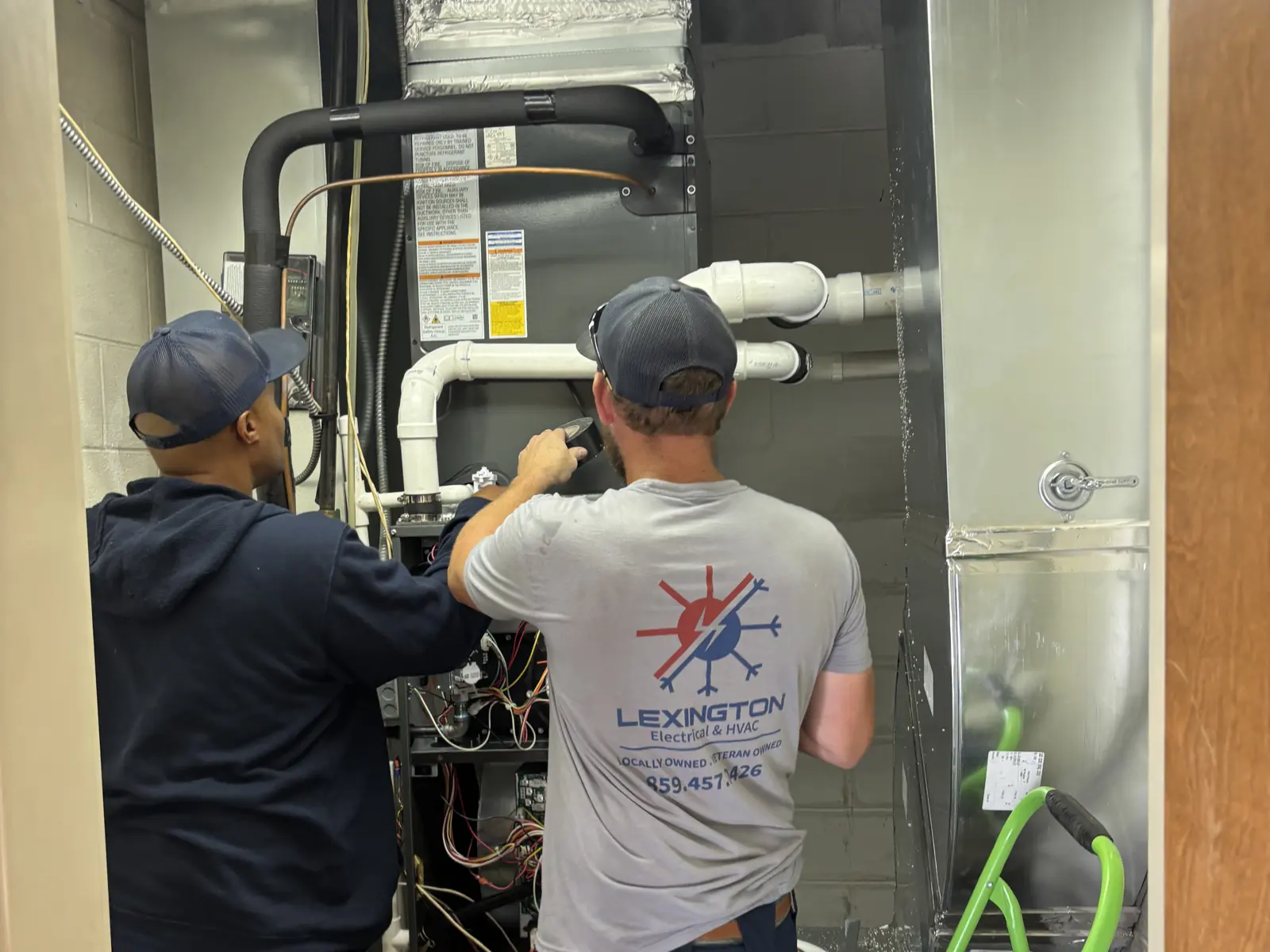
Yes, a heat pump will work in Kentucky winters. Modern cold-climate heat pumps are engineered to heat homes efficiently in temperatures well below what Lexington typically experiences. The days when heat pumps stopped working below freezing are over. Today's variable-speed compressor technology keeps homes comfortable through Central Kentucky's coldest nights, and a heat pump installation is one of the smartest upgrades Lexington homeowners can make.
How cold does it actually get in Lexington?
Lexington's average January low is around 24 degrees Fahrenheit. Temperatures below 10 degrees are uncommon and rarely last more than a few days. This matters because modern cold-climate heat pumps maintain full heating capacity down to about 17 degrees and continue producing useful heat at 5 degrees and below. Central Kentucky's winters sit comfortably inside the performance range of today's equipment.
Cold-climate vs. standard heat pumps
Not all heat pumps are built for winter heating. Standard single-stage heat pumps lose capacity quickly as temperatures drop. Cold-climate models use variable-speed inverter-driven compressors that ramp up output as the temperature falls. The difference in performance below 30 degrees is dramatic.
- Variable-speed compressors adjust output to match the heating load in real time
- Enhanced vapor injection technology boosts capacity at low temperatures
- Rated heating capacity is tested at 5 degrees Fahrenheit, not just 47 degrees
- Defrost cycles are shorter and smarter than older equipment
The dual-fuel advantage in Central Kentucky
Many Lexington homes already have a gas furnace and central AC. A dual-fuel system replaces the AC with a heat pump that handles both cooling and most of the heating. When outdoor temperatures drop to a set point (usually around 25 to 35 degrees, depending on gas and electric rates), the system switches to gas heat automatically. This gives you the efficiency of a heat pump most of the winter and the raw heating power of gas on the coldest days.
Dual-fuel is the most popular heat pump configuration we install across Fayette, Scott, Jessamine, and Woodford counties. It eliminates the concern about heat pump performance in extreme cold while still cutting heating costs significantly.
All-electric heat pump: when it makes sense
If your home does not have a gas line, or if you want to eliminate fossil fuel use entirely, an all-electric heat pump system with electric backup heat strips is a viable option. Cold-climate models sized correctly for your home can handle Lexington winters without gas backup. The key is proper sizing through a Manual J load calculation and selecting equipment rated for low-temperature performance.
What about the defrost cycle?
Heat pumps periodically reverse their cycle to melt frost that forms on the outdoor coil during cold, humid weather. This is normal operation, not a malfunction. You may notice steam rising from the outdoor unit and a brief pause in warm air from your vents. Modern systems complete defrost cycles in two to five minutes and use demand-defrost controls that only activate when frost is actually detected, rather than running on a timer.
Efficiency: how heat pumps save money in winter
A heat pump does not generate heat by burning fuel. It moves heat from the outdoor air into your home using a refrigeration cycle. Even at 30 degrees, there is plenty of thermal energy in the outdoor air to extract. The result is that a heat pump produces two to three times more heating energy than the electricity it consumes. This ratio, called the coefficient of performance (COP), is why heat pumps cost less to operate than gas furnaces in moderate winter conditions.
Federal tax credits up to $2,000 are available for qualifying heat pump installations. Explorefinancing options to spread the upfront cost over time.
Sizing matters more than brand
An oversized heat pump short-cycles and wastes energy. An undersized unit runs constantly and cannot keep up on cold days. Proper sizing starts with a Manual J load calculation that accounts for your home's square footage, insulation, window area, air leakage, and duct condition. We perform this calculation for every heat pump installation in Lexington to make sure the equipment matches the home.
Pair your heat pump with a maintenance plan
A heat pump runs year-round for both heating and cooling, so regular maintenance is essential. Our Cool & Cozy Club membership includes two tune-ups per year, priority scheduling, and discounts on repairs. Keeping refrigerant charge, coils, and airflow optimized ensures your heat pump performs at its rated efficiency through every Kentucky season.
Common concerns we hear from Lexington homeowners
"My neighbor had a heat pump in the 90s and it never kept up." That equipment was a completely different technology. Today's inverter-driven compressors outperform those single-stage units by a wide margin in cold weather.
"Won't my electric bill skyrocket?" Your electric use increases, but your gas use drops dramatically. Most homeowners see net savings on their total utility costs, especially when the heat pump is also providing more efficient cooling in summer.
"What if the power goes out?" A heat pump needs electricity to run, just like a gas furnace needs electricity for its blower and controls. A whole-home generator keeps either system running during outages.
Ready to explore heat pump options?
We install American Standard heat pumps sized specifically for Central Kentucky homes. Whether you want a dual-fuel setup or a full electric conversion, we walk you through the options and handle permits, electrical upgrades, and installation. Contact us for a free estimate or call 859.457.0426 to schedule a consultation.
Frequently Asked Questions
- Can a heat pump keep up with Kentucky winter temperatures?
- Modern cold-climate heat pumps operate efficiently down to 5 degrees Fahrenheit and continue producing heat well below zero. Lexington winters rarely drop below the mid-teens for extended periods, which is well within the operating range of current heat pump technology.
- What is a dual-fuel heat pump system?
- A dual-fuel system pairs an electric heat pump with a gas furnace. The heat pump handles heating most of the winter, and the furnace kicks in during the coldest stretches when gas heat becomes more cost-effective. This setup is popular in Central Kentucky because it balances efficiency and comfort.
- How much does a heat pump cost compared to a furnace in Lexington?
- Federal tax credits up to $2,000 for qualifying heat pumps can significantly reduce the net cost.
- Will my electric bill go up if I switch to a heat pump in Kentucky?
- Your electric bill will increase, but your gas bill will decrease substantially or disappear. Most Lexington homeowners see lower total heating costs with a heat pump because the system produces two to three units of heat for every unit of electricity it consumes.
Get a free heat pump estimate in Lexington
Licensed, veteran-owned technicians serving Lexington and Central Kentucky — free estimates, no pressure.
Learn moreHave questions about your home?
Talk to a licensed Lexington technician — no pressure, just answers.

