
What Does an EV Charger Installation Involve in Kentucky?
Everything Lexington homeowners need to know about Level 2 EV charger installation: electrical requirements, panel capacity, permits, costs, and timeline in Central Kentucky.
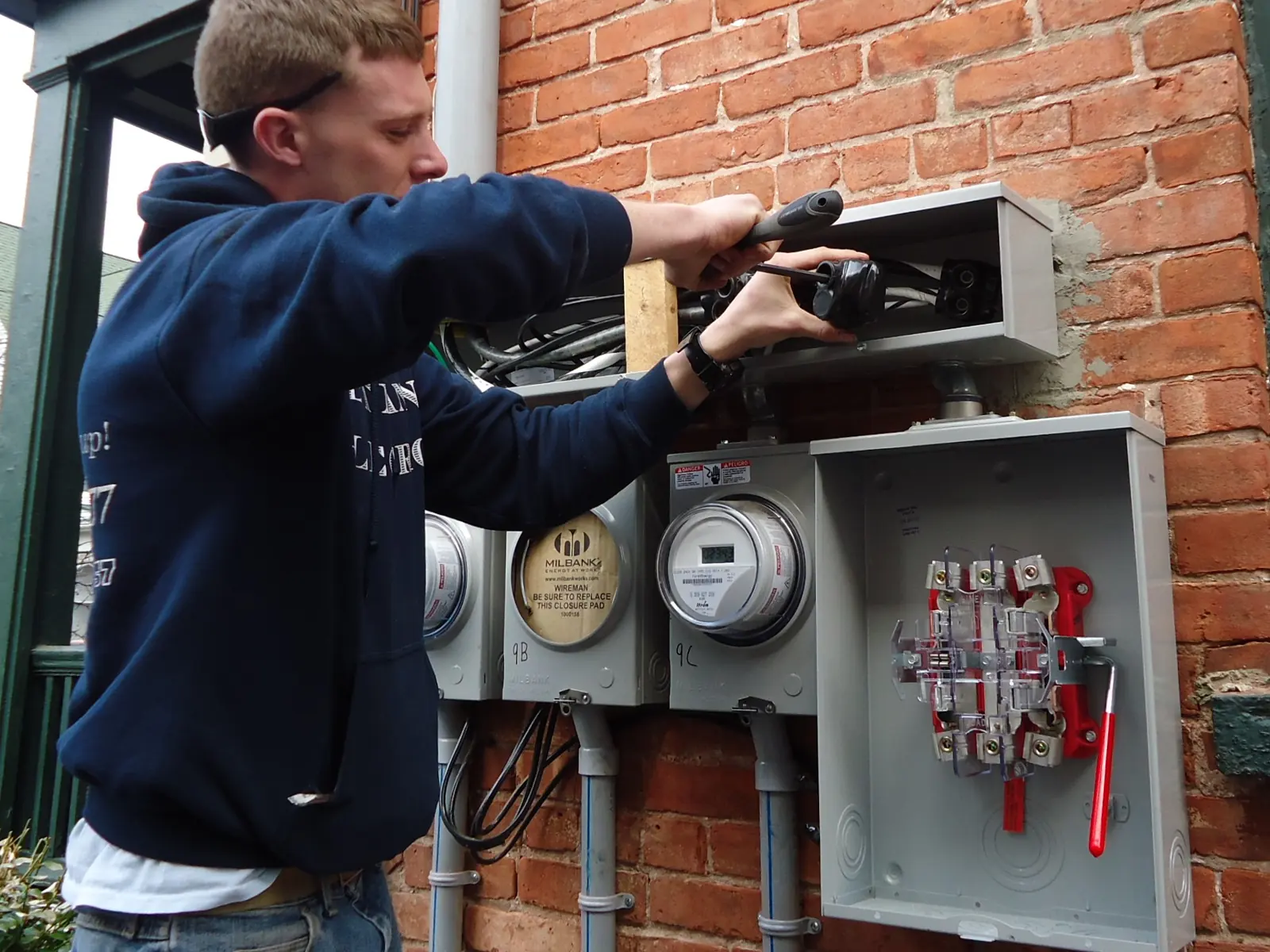
Installing a Level 2 EV charger at home requires a dedicated 240-volt circuit, adequate panel capacity, and an electrical permit in Lexington. The process is straightforward for a licensed electrician and usually takes less than a day. If you are buying or already own an electric vehicle in Central Kentucky, a home charger is the most convenient and cost-effective way to keep it charged.
Our team handles every step of EV charger installation in Lexington from panel evaluation to final inspection.
Level 1 vs. Level 2 charging
Every EV comes with a Level 1 charger that plugs into a standard 120-volt outlet. It adds about 3 to 5 miles of range per hour, which means a full charge can take 40 hours or more. For most Lexington drivers commuting to work, running errands, and handling school pickup, Level 1 charging cannot keep up with daily use.
A Level 2 charger runs on a 240-volt circuit and delivers 25 to 30 miles of range per hour. Most EVs charge from near-empty to full overnight. That is the difference between a useful daily driver and a car you have to plan your schedule around.
Electrical requirements for a Level 2 charger
A Level 2 EV charger needs a dedicated 240-volt circuit with a 40- or 50-amp breaker. The wire gauge, circuit breaker size, and conduit type all depend on the charger's amperage rating and the distance from your electrical panel to the charging location.
- 40-amp circuit for most 32-amp chargers (the 80% continuous load rule applies)
- 50-amp circuit for higher-output 40-amp chargers like the Tesla Wall Connector
- 6-gauge or 8-gauge copper wire depending on amperage and run length
- GFCI protection required per current National Electrical Code
- Dedicated circuit with no other loads sharing the breaker
Does your panel have room?
Before any wiring goes in, your electrician checks your main panel for available breaker slots and total capacity. A 200-amp panel with open slots usually handles a Level 2 charger without changes. A full panel or a 100-amp service is a different story.
Many Lexington homes built before 2000 still run on 100-amp service. Adding a 50-amp EV circuit to a panel that is already feeding central air, a dryer, and an electric range may exceed safe capacity. In those cases, a 200-amp service upgrade comes first. We evaluate your panel as part of every EV charger quote so there are no surprises on install day.
Garage vs. outdoor vs. detached garage installations
The easiest installation is in an attached garage with the electrical panel on the other side of the wall. The wire run is short, no exterior conduit is needed, and the charger stays protected from weather.
Outdoor installations on a driveway or carport require a NEMA 4 or NEMA 4X rated charger and weatherproof conduit. Detached garages in neighborhoods around Richmond Road, Man O' War, and Hamburg often need a longer wire run or a sub-panel, which adds to the project cost.
Permits and inspections in Lexington
The City of Lexington requires an electrical permit for new dedicated circuits. Your licensed electrician pulls the permit, performs the installation to code, and schedules the inspection with the local building department. The inspection confirms proper wire sizing, breaker rating, grounding, and GFCI protection.
Working without a permit is a code violation and can create insurance and resale problems. Every EV charger installation we perform in Fayette County and surrounding areas includes permit handling at no extra charge.
What the installation process looks like
From first call to plugging in your car, here is the typical timeline for a Lexington EV charger installation:
- Site evaluation: we check your panel capacity, identify the best route for wiring, and confirm charger placement
- Quote and scheduling: you receive a flat-rate price including permit fees and materials
- Permit pull: we handle the City of Lexington electrical permit application
- Installation day: circuit wiring, charger mounting, testing, and walkthrough (3 to 5 hours for most homes)
- Inspection: the city inspector verifies the work and signs off
- You start charging that evening
Cost factors for Lexington homeowners
- Short run from panel to attached garage: lowest cost
- Long run to detached garage or outdoor location: higher material and labor costs
- Trenching for underground conduit to a detached structure: adds to the timeline and cost
Federal tax credits and incentives
Check with your tax preparer for current eligibility requirements, as the rules have changed multiple times since 2023.
We also offer financing options if you are combining an EV charger installation with a panel upgrade or other electrical work.
Choosing the right charger
For most Lexington homeowners, a 40-amp hardwired charger hits the sweet spot of charging speed and cost. It will fully charge nearly any EV overnight and does not require the larger 60-amp circuit that some 48-amp chargers demand.
- Tesla Wall Connector: best for Tesla owners, supports up to 48 amps
- ChargePoint Home Flex: works with all EVs, adjustable amperage, built-in WiFi
- Emporia Level 2: budget-friendly option with energy monitoring
- Hardwired vs. plug-in: hardwired is cleaner and more reliable; plug-in allows easier charger swaps
Ready to install an EV charger at your Lexington home?
A Level 2 home charger turns your garage into a fueling station that costs a fraction of what gasoline does per mile. The installation is a one-day project for most homes, and our licensed electricians handle permitting, panel evaluation, and clean conduit work.
Schedule your EV charger installation or call us at 859.457.0426. We serve Lexington, Nicholasville, Georgetown, Winchester, and surrounding Central Kentucky communities.
Frequently Asked Questions
- How much does EV charger installation cost in Lexington, KY?
- EV charger installation cost depends on the charger, the distance from your panel to the parking spot, and whether your panel has capacity for a 40 to 60 amp circuit. Homes that need a panel upgrade cost more. We give a written quote after checking your panel.
- Do I need a 200-amp panel for an EV charger?
- Most Level 2 EV chargers require a 40- or 50-amp dedicated circuit. If your panel is already at capacity on a 100-amp service, you will need a 200-amp upgrade before the charger can be installed safely.
- How long does it take to install a Level 2 EV charger at home?
- A straightforward Level 2 charger installation in Lexington takes 3 to 5 hours. If a new circuit needs to be run from the panel to a detached garage or the panel needs an upgrade, the project may take a full day.
- Do I need a permit for EV charger installation in Lexington, Kentucky?
- Yes. The City of Lexington requires an electrical permit for any new dedicated circuit installation, including EV chargers. A licensed electrician handles the permit application and arranges the required inspection.
Get a free EV charger installation estimate in Lexington
Licensed, veteran-owned technicians serving Lexington and Central Kentucky — free estimates, no pressure.
Learn moreHave questions about your home?
Talk to a licensed Lexington technician — no pressure, just answers.
