
Is Aluminum Wiring in Your Lexington Home Dangerous?
Aluminum wiring risks in Lexington, KY homes built in the 1960s and 1970s. Learn the fire hazards, warning signs, and repair options from licensed electricians.
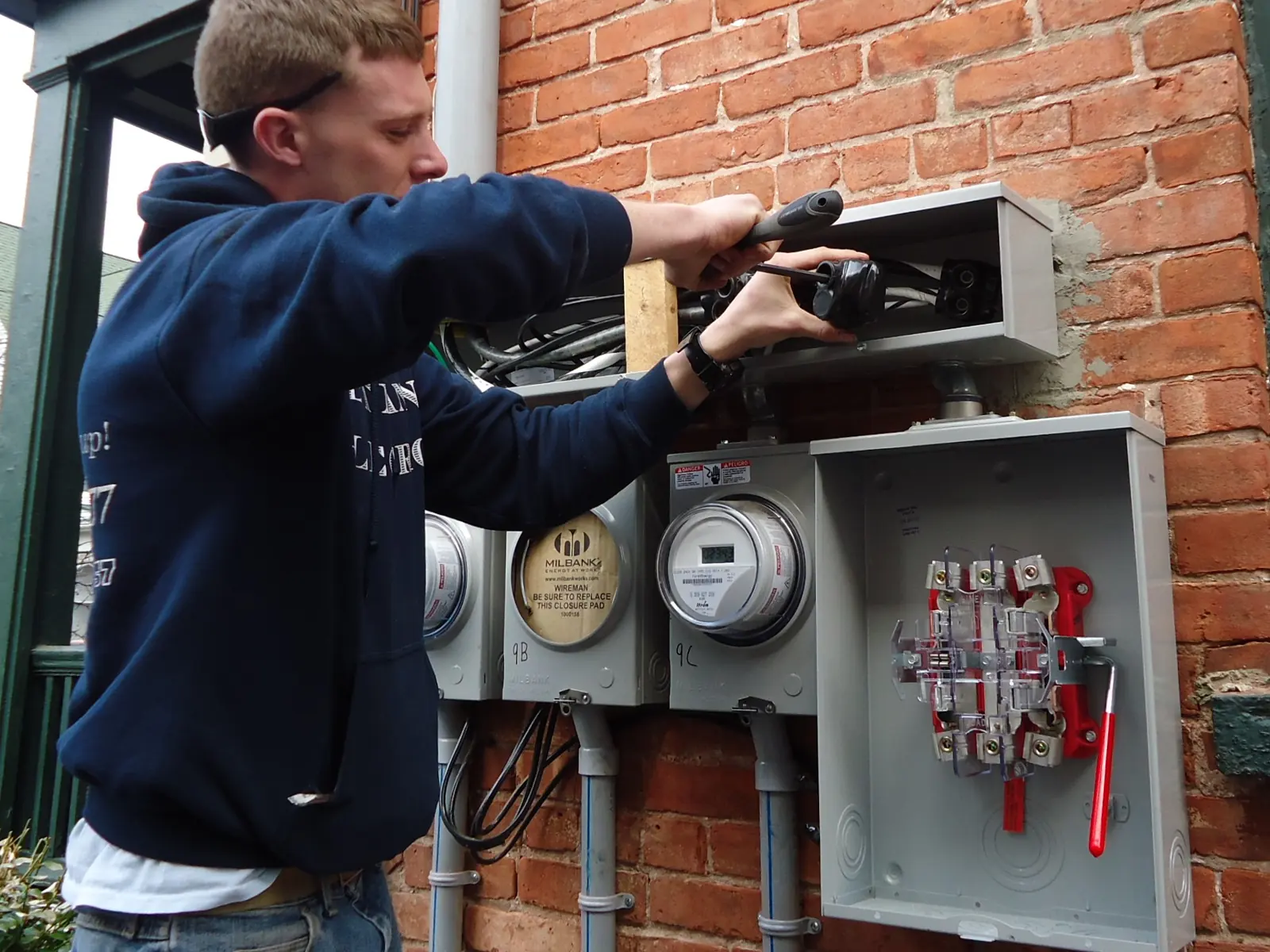
Yes, aluminum wiring in your Lexington home is a legitimate safety concern. Homes built between 1965 and 1973 in Fayette County and surrounding areas often used single-strand aluminum branch circuit wiring, which is 55 times more likely to reach fire-hazard conditions at connections than copper wiring, according to the U.S. Consumer Product Safety Commission. The good news: a licensed electrician can remediate the risk without tearing out every wire in your walls. Contact us for an aluminum wiring inspection if your Lexington home was built during this era.
Why aluminum wiring became common in Lexington
Copper prices spiked in the mid-1960s, and builders across Central Kentucky switched to aluminum for branch circuit wiring. Subdivisions in Lexington, Nicholasville, and Georgetown built during this period frequently used aluminum throughout. The material itself conducts electricity safely. The problems happen at connection points: outlets, switches, junction boxes, and the electrical panel.
What makes aluminum connections dangerous
Aluminum expands and contracts more than copper when it heats up during normal use. Over decades, this thermal cycling loosens screw terminals and wire nuts. Loose connections create resistance, resistance generates heat, and heat can ignite surrounding materials. Oxidation compounds the problem because aluminum oxide is a poor conductor, adding more resistance at every connection point.
- Thermal expansion loosens connections over time
- Aluminum oxide buildup increases electrical resistance
- Dissimilar metal contact (aluminum to copper or brass) accelerates corrosion
- Standard outlets and switches were not designed for aluminum wire
Warning signs in your home
Many Lexington homeowners live with aluminum wiring for years without visible problems. But these warning signs indicate connections are already overheating and need immediate attention from a licensed electrician:
- Warm or discolored outlet and switch cover plates
- Flickering lights that are not caused by the bulb
- Burning smell near outlets or switches with no obvious source
- Circuits that intermittently lose power
- Sparking or small arcs when plugging in appliances
How to confirm your home has aluminum wiring
Check the writing printed on the outer jacket of the wiring in your attic, basement, or garage. Aluminum branch circuit wiring is typically marked "AL" or "Aluminum" on the cable sheathing. If the jacket is unreadable, a licensed electrician can identify the conductor material by removing an outlet cover and inspecting the wire color. Aluminum is silver-gray; copper is orange-brown.
Your home's age is the fastest clue. If it was built or expanded between 1965 and 1973 in Central Kentucky, aluminum branch wiring is likely present.
Repair option 1: approved connectors (most common fix)
The CPSC recommends COPALUM crimp connectors as the preferred repair method. AlumiConn set-screw connectors are an accepted alternative. Both methods create a safe, permanent copper-to-aluminum transition at every connection point. This approach is far less invasive and less expensive than a full rewire.
A typical Lexington home with 40 to 60 outlets and switches can be remediated in one to two days. Every outlet, switch, light fixture connection, and junction box splice must be addressed for the repair to be effective.
Repair option 2: full copper rewire
A complete rewire replaces all aluminum branch circuits with copper. This is the most thorough solution but also the most expensive and disruptive. It makes sense when you are already opening walls for a major renovation or when the aluminum wiring insulation is brittle and damaged.
A full rewire often pairs well with a 200-amp electrical panel upgrade since many homes from this era also have undersized 100-amp service.
What to avoid: DIY fixes that create more risk
Standard twist-on wire nuts are not a safe long-term connector for aluminum-to-copper splices, even if labeled "AL/CU." Backstab (push-in) connections on outlets are also unreliable with aluminum wire. These shortcuts pass initial inspection but fail over time as thermal cycling loosens the connection. Only COPALUM or AlumiConn connectors provide a lasting, code-compliant repair.
Insurance and home sale considerations in Kentucky
If you are buying or selling a Lexington home with aluminum wiring, expect it to come up during the home inspection. Many Kentucky insurance carriers flag aluminum wiring and may require documentation that approved connectors have been installed before issuing or renewing a policy. Getting the work done proactively removes a negotiation point and gives buyers confidence.
Cost of aluminum wiring remediation in Central Kentucky
Remediation cost depends on the approach. Pigtailing connections with approved connectors at each device costs far less than a full rewire, but both depend on the number of outlets, switches, and fixtures in the home. We inspect first and price both options.
Request a free estimate or review our financing options.
Schedule an aluminum wiring inspection in Lexington
Lexington Electrical & HVAC is a veteran-owned, licensed electrical contractor serving Fayette, Scott, Jessamine, Woodford, and surrounding counties. We inspect aluminum wiring, install CPSC-recommended connectors, and handle full rewires when needed. Call us at 859-457-0426 or request an inspection online. Protect your family and your investment with a professional evaluation.
Frequently Asked Questions
- Is aluminum wiring a fire hazard in Lexington homes?
- Aluminum wiring installed in Lexington homes during the 1960s and 1970s carries a higher fire risk than copper wiring. The connections loosen over time as aluminum expands and contracts with heat, creating hot spots that can ignite surrounding materials.
- Can I get homeowners insurance with aluminum wiring in Kentucky?
- Many Kentucky insurance carriers require an electrical inspection before insuring homes with aluminum wiring. Some will insure the home after a licensed electrician certifies that approved connectors have been installed at every connection point.
- Should I rewire my entire house or just repair the connections?
- For most Lexington homes, installing approved COPALUM or AlumiConn connectors at every outlet, switch, and junction box is the most cost-effective solution. A full rewire is recommended only when the wiring insulation is damaged or you are doing a major renovation.
Schedule an aluminum wiring inspection in Lexington
Licensed, veteran-owned technicians serving Lexington and Central Kentucky — free estimates, no pressure.
Learn moreHave questions about your home?
Talk to a licensed Lexington technician — no pressure, just answers.
